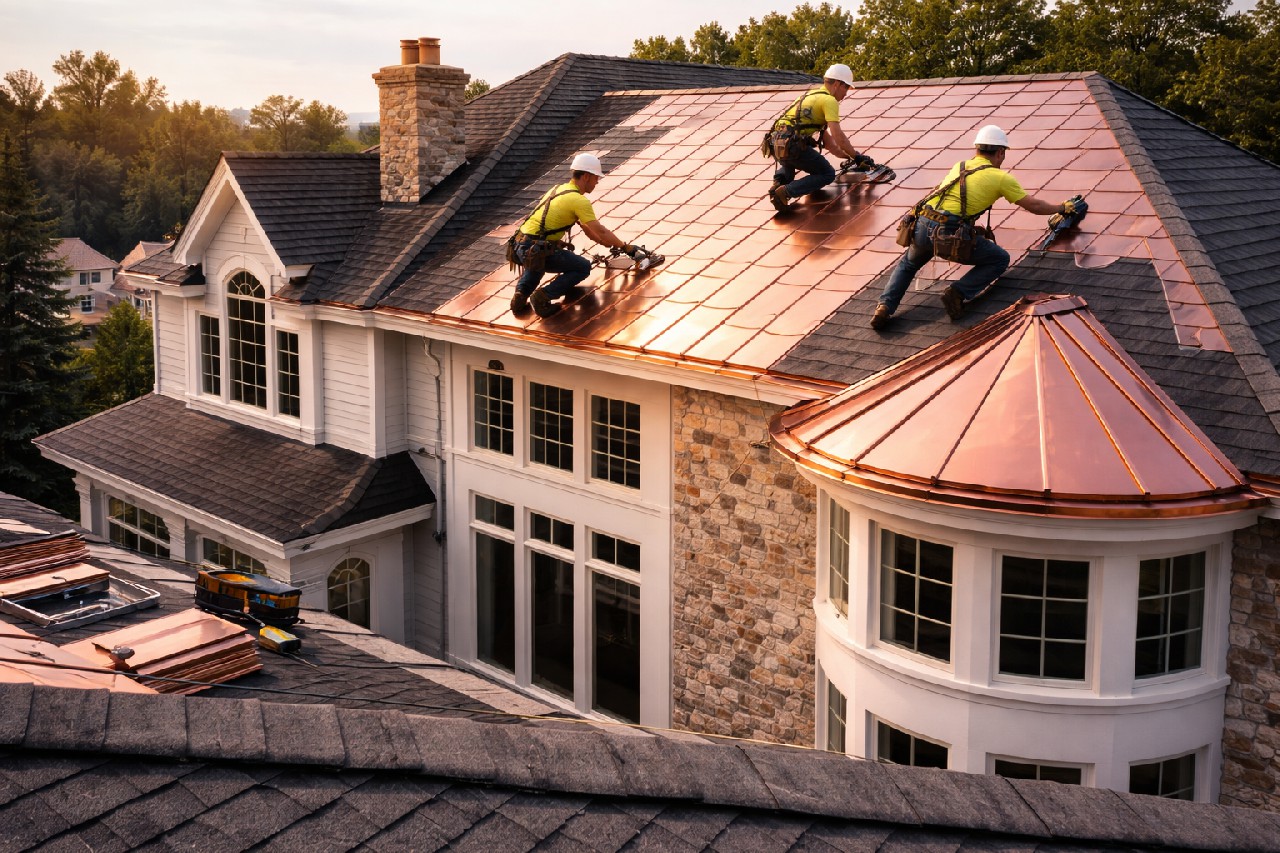


⚡ TL;DR: This guide helps Seattle homeowners spot roof deck failure signs, inspect for damage, and follow the Roof Deck Replacement process to prevent leaks in rainy weather.
📋 What You’ll Learn
Explore roof deck replacement essentials for Seattle homes to stop leaks before they start. You'll uncover warning signs, climate risks, inspection methods, replacement steps, and durable materials for rainy weather.
- Spot critical warning signs of roof deck failure like sagging boards, moisture stains, mold growth, and soft spots that demand immediate action in Seattle's damp environment.
- Grasp why Seattle's rain accelerates damage and learn how unchecked rot leads to costly leaks, structural issues, and why timely replacement protects your home long-term.
- Master simple inspection techniques to detect hidden deck damage yourself, from visual checks to probing for rot, empowering informed decisions before hiring pros.
- Follow the proven replacement process step-by-step, selecting weather-resistant materials and techniques tailored for Seattle's wet climate to ensure a leak-free, lasting roof deck.
📖 Reading time: 7 min
✍️ Author expertise: Seattle roofing pro with 20 years of hands-on roof deck replacements in rainy conditions.
Ever stepped onto your Seattle roof deck after a downpour and felt that spongy give underfoot? That's not just age talking—it's rot whispering about the leaks ready to crash your next dinner party.
In this rain-soaked city, wood decks hidden under shingles rot fast from trapped moisture, turning your dream outdoor space into a water highway straight to your interior.
Replace it now, before the damage spreads, and reclaim a solid foundation that laughs at Puget Sound's endless drizzle.
Keep reading to uncover the signs screaming for roof deck replacement in Seattle and how to dodge disaster.
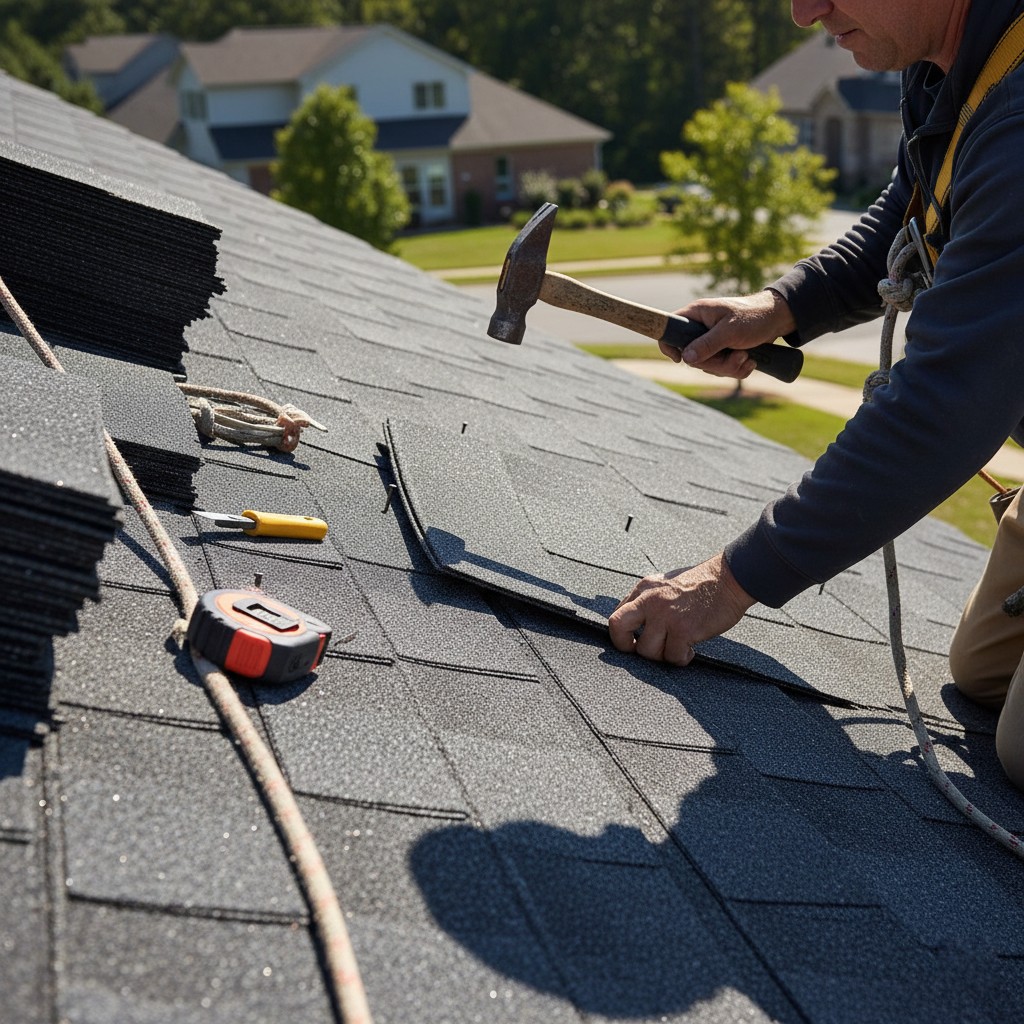
Top Warning Signs Your Seattle Roof Deck is Failing
Your roof deck might look fine from the street. But up close? Disaster waits. Spot these red flags before they punch through your ceiling.
Feel It First: Physical Clues
- Spongy bounce when you walk. Press down. If it gives like wet cardboard, rot has set in.
- Sagging sections. Gravity wins when plywood turns to mush.
- Cracks in shingles or cupping edges. Moisture warps everything fast here.
Ignore the bounce at your peril. One heavy Seattle storm, and that weak spot collapses. Check ceilings too—brown stains scream hidden leaks.
Smell test next. Musty odors from vents? Mold party underway. Act now, or kiss dry interiors goodbye.
Why Seattle's Rainy Climate Demands Urgent Roof Deck Replacement
Picture this: Seattle averages 150 rainy days a year. That's non-stop moisture pounding your roof deck, sneaking into every crack and seam.
Unlike sunnier spots, our constant drizzle traps water under shingles. Wood swells, softens, then rots from the inside out before you even notice.
The Hidden Toll of Puget Sound Fog and Moss
Fog rolls in thick, adding humidity that never quits. Moss loves it here, prying shingles loose and inviting water deeper.
- Rot spreads fast in saturated cedar or fir—common in older Seattle homes.
- One leak ignored? Expect mold in walls and ceilings below.
- Structural failure hits hard during wind storms we get plenty of.
Delay replacement, and you're handing repair bills to your future self. Act now to beat the wet season's worst.
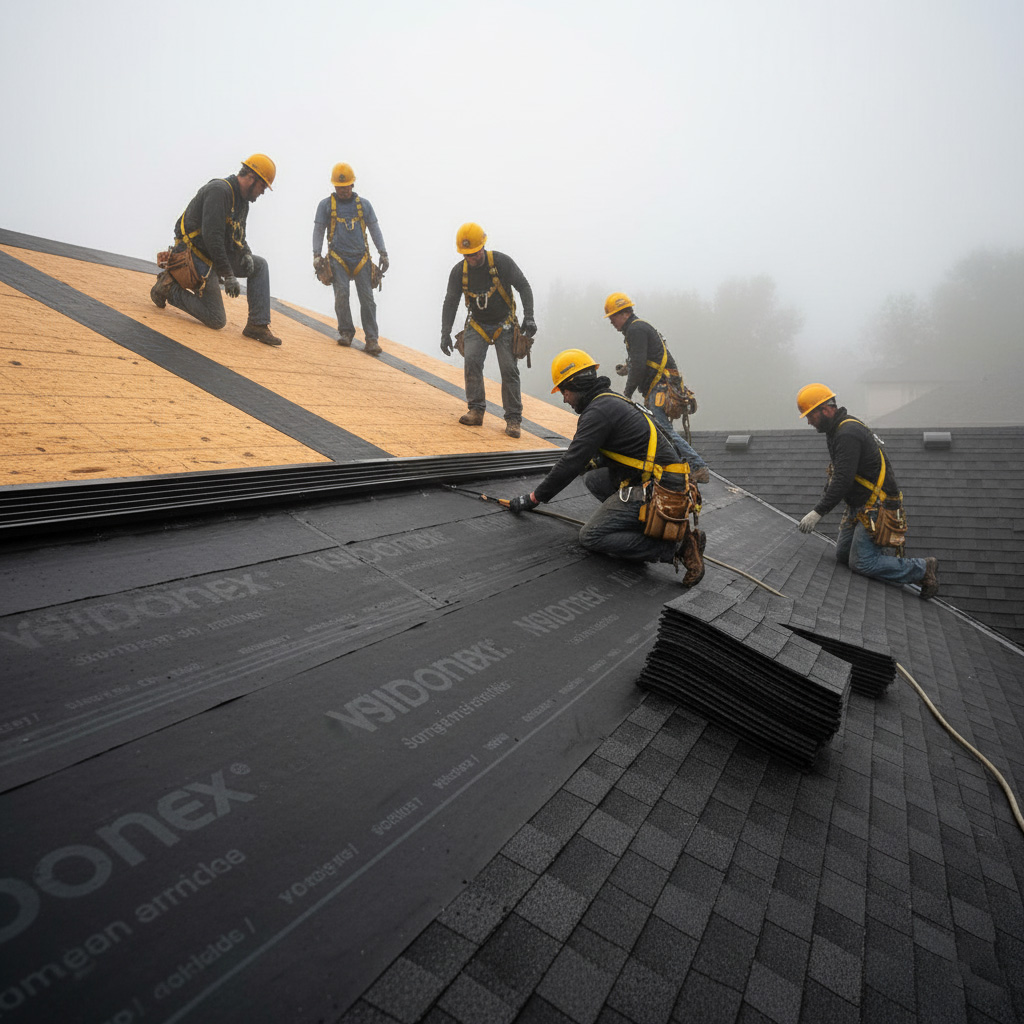
How to Inspect Your Roof Deck for Hidden Damage
Grab a flashlight, a flathead screwdriver, and a buddy for safety. Start from inside your attic or crawl space. Poke around joists and sheathing for soft spots that scream rot.
Look for these dead giveaways:
- Discolored or warped plywood under shingles.
- Water stains on ceiling drywall below the deck.
- Moldy smells or fuzzy growth on wood beams.
- Sagging areas where the deck meets your house.
Probe Like a Pro
Push that screwdriver into suspect wood. If it sinks in like butter, you've got decay. Test multiple spots, especially near edges and valleys where Seattle's rain pools.
Don't forget the shingles. Lift a few gently. Check if water sneaks through gaps, signaling deck failure underneath.
Spot any of this? Shut it down. Call pros before your roof deck turns your home into a sponge.
The Step-by-Step Roof Deck Replacement Process
Ready to fix that soggy mess? Our crew starts by stripping away the old shingles and sheathing. No shortcuts here - we yank every rotten board to expose the full damage.
Step 1: Full Tear-Off and Inspection
Everything comes off fast. We check joists, fascia, and flashing too.
- Spot dry rot or mold? Treat it immediately.
- Reinforce weak joists with sistering boards.
- Clear debris for a clean slate.
Step 2: New Decking Installation
Next, we lay down pressure-treated plywood or cedar tongue-and-groove. Screws, not nails - they hold tighter in wet weather.
Layers overlap just right. Then, ice-and-water shield goes over seams to block Seattle's sneaky leaks.
Step 3: Roofing Reinstall and Final Seal
Top it with new underlayment and shingles matched to your style. Flash all edges and vents.
One last walk-through seals the deal. Your deck's now bombproof against the next storm.
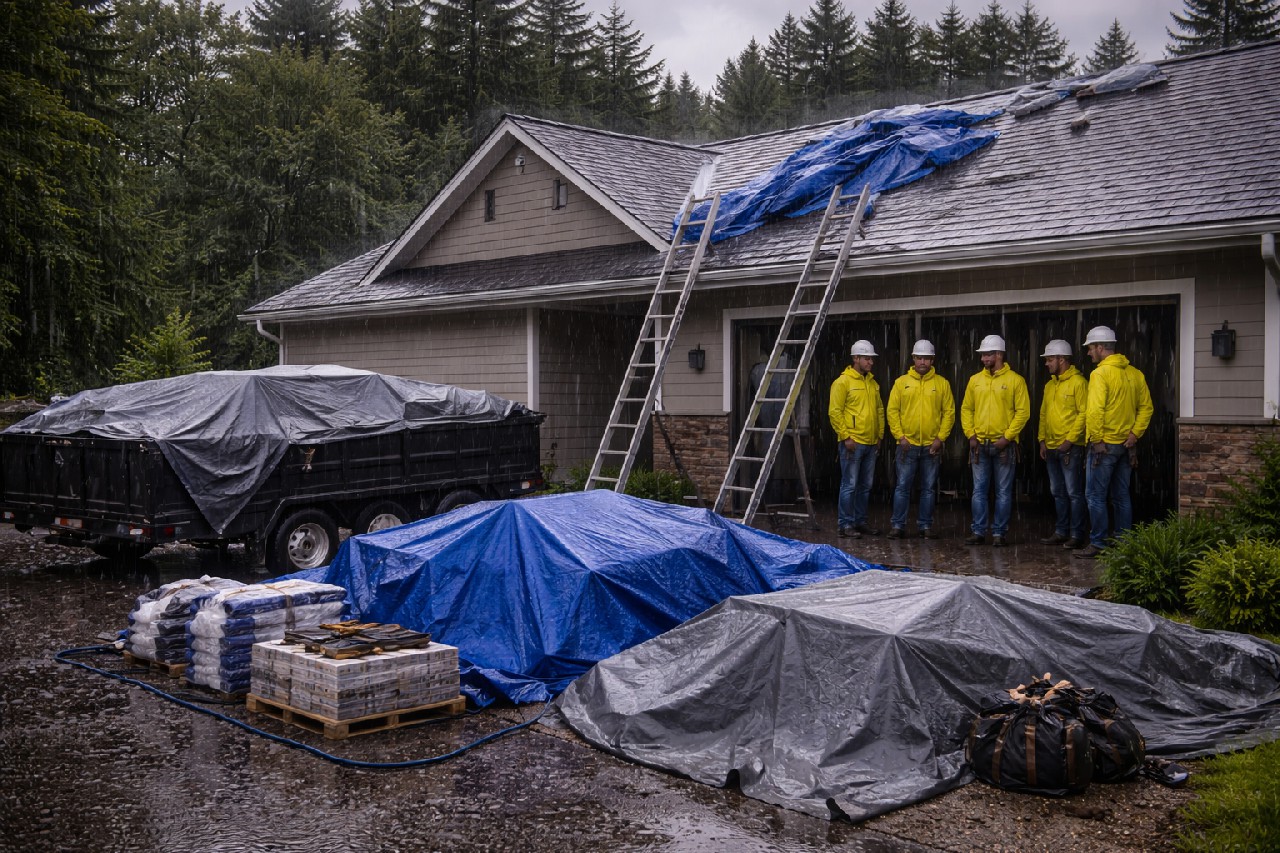
Best Materials and Techniques for Seattle's Weather
Seattle's relentless rain chews through standard plywood like termites on a picnic. Go with marine-grade plywood or cedar sheathing instead. These hold up against constant moisture without warping or rotting under your shingles.
Materials That Beat the Damp
- Pressure-treated lumber: Infused with chemicals that repel water and bugs, perfect for our soggy slopes.
- Fir or cedar boards: Naturally rot-resistant, they breathe better than OSB in humid air.
- Synthetic underlayments: Like rubberized membranes that seal out leaks while letting vapor escape.
Skip cheap OSB. It swells and delaminates fast here. Pros swear by tongue-and-groove cedar for tight fits that shed water like a duck's back.
Techniques That Lock in Dryness
Install with 15-degree slopes for runoff. Add metal drip edges and ice-and-water shields around penetrations. Ventilate underneath to dry out any trapped dampness fast.
These steps turn your roof deck into a fortress. No more spongy surprises after the next gray-week downpour.
Case Study: Reviving a Waterlogged Roof Deck in Capitol Hill
Picture this: A Capitol Hill couple noticed buckets catching drips inside their living room after every storm. Their roof deck, built 20 years ago under basic shingles, had turned into a mushy mess from Seattle's constant wet.
We climbed up and peeled back the layers. Rotten plywood everywhere. Nails popping out like bad teeth.
What We Uncovered
- Two-inch-deep rot pockets from trapped rain.
- Mold creeping into the rafters below.
- Leaking seams letting water invade the ceiling drywall.
Full tear-off revealed the extent. No patching this disaster. Time for total replacement.
The Fix That Saved Their Summer
We installed synthetic underlayment over new pressure-treated plywood. Added tapered insulation to shed water fast. Topped it with high-grip shingles built for Pacific Northwest downpours.
Job done in three days. No more indoor puddles. They hosted their first leak-free barbecue last weekend.
Final Thoughts
Your Seattle roof deck isn't just a platform. It's the barrier keeping rain out of your living room. Ignore the rot, and you'll pay big later.
Spot those warning signs early. Act fast with a full replacement using tough materials built for our wet weather. You'll sleep better knowing leaks won't sneak in.
Quick Action Steps
- Grab a flashlight. Check for soft spots today.
- Call pros for a free inspection. Don't wait for the next storm.
- Explore our Roof Deck Replacement options. Get a quote that fits your budget.
One replaced deck in Capitol Hill saved a homeowner thousands in interior repairs. Make yours next. Your dry home depends on it.
People Also Ask
What are the common signs that a Seattle roof deck needs replacement?
Look for soft spots, cupping or buckling plywood, visible rot, or musty odors from your attic, as these indicate moisture damage from Seattle's frequent rains. Cracking, squeaking underfoot, or sagging sections are also red flags that compromise structural integrity. Ignoring these can lead to leaks and costly interior damage—schedule a professional inspection promptly.
How much does roof deck replacement cost in Seattle?
Average costs range from $10,000 to $25,000 depending on deck size, materials, and labor, with plywood replacement typically $4–$8 per square foot plus underlayment. Factors like accessibility and roof pitch can increase prices in rainy Seattle neighborhoods. Contact local experts for a free quote tailored to your home.
How long does a roof deck typically last in Seattle's climate?
Roof decks in Seattle often last 15–25 years with proper ventilation and maintenance, but constant moisture exposure shortens this to 10–15 years for many homes. Using marine-grade plywood and proper flashing extends lifespan significantly. Regular inspections every 5 years help catch issues early.
Can I repair a damaged roof deck instead of replacing it?
Minor damage like small rot spots can be repaired by cutting out and patching with treated plywood, but widespread deterioration from Seattle rains usually requires full replacement for safety. Partial fixes often fail quickly in wet conditions, leading to leaks. A professional assessment determines the best approach.
What materials are best for roof deck replacement in Seattle?
Opt for exterior-grade, pressure-treated plywood or marine plywood rated for wet climates, paired with high-quality synthetic underlayment and metal flashing. These resist Seattle's heavy rainfall and moss growth better than standard OSB. Professional installation ensures longevity and code compliance.

Seattle Roofing delivers reliable roofing services to homeowners and businesses across Seattle, WA. With extensive experience in repairs, replacements, and installations, their team focuses on quality craftsmanship. Rooted in the local community, they navigate Seattle's distinct weather challenges effectively.
Need Roofing?
Rapid roof repairs and replacements deliver leak-free, weather-tight protection in Seattle, WA and nearby areas (98101, 98109, 98118, 98122).
Get Roof Quote