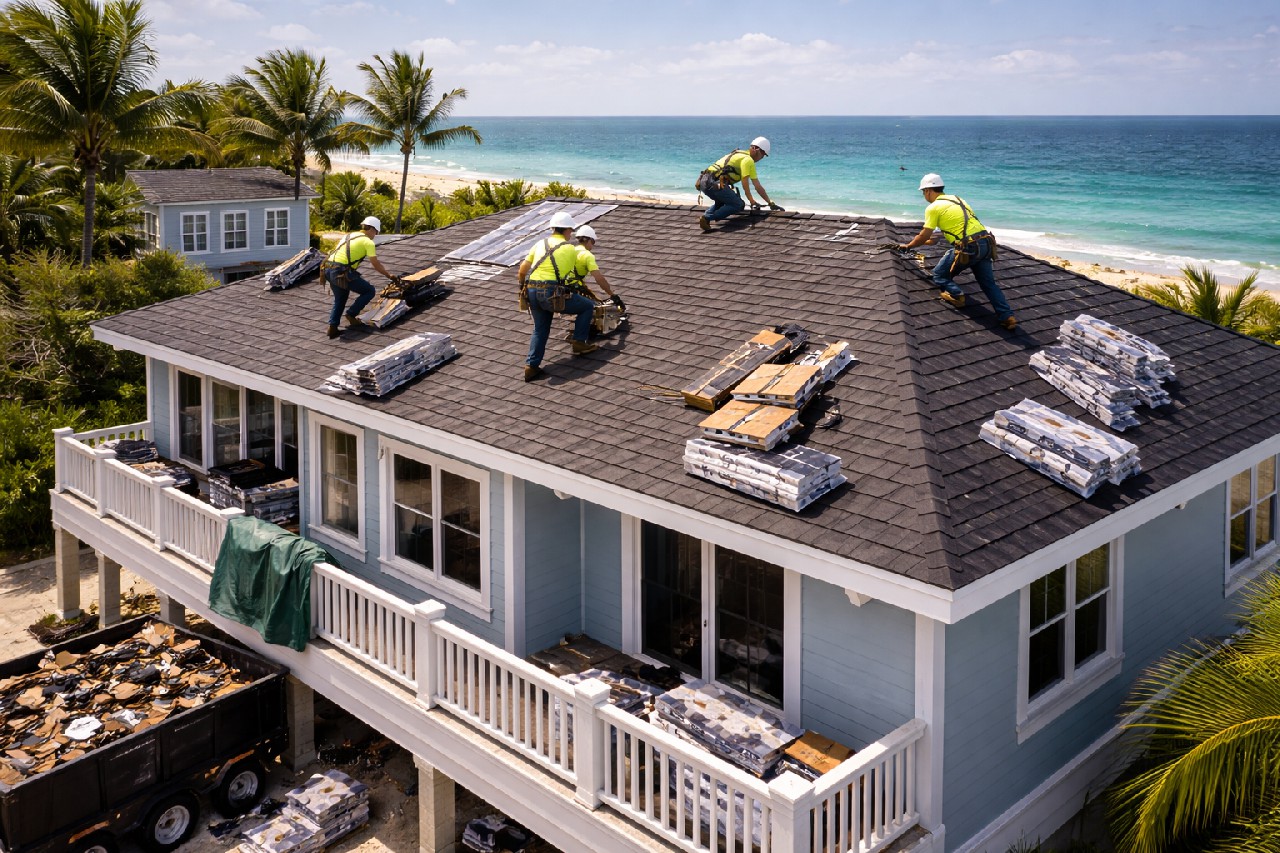


⚡ TL;DR: Learn timeless tips for Wood Shake Roof Installation in Seattle, from selecting cedar shakes and proper preparation to code compliance and weatherproofing for durable results.
📋 What You’ll Learn
In this guide to wood shake roof installation in Seattle, you'll uncover timeless tips on material selection, preparation, techniques, codes, and weatherproofing for enduring beauty in the Pacific Northwest climate.
- Choose premium Western Red Cedar shakes ideal for Seattle's wet weather, focusing on grades that resist rot, warping, and moss while delivering natural beauty and long-term performance.
- Master underlayment and roof preparation steps to build a leak-proof base, ensuring proper ventilation, ice dam protection, and stability against heavy rains and wind gusts.
- Execute step-by-step installation techniques for superior durability, including precise spacing, nailing, staggering, and blending with existing structures for a seamless, storm-resistant finish.
- Navigate Seattle codes, permits, and treatments like fire retardants and moss inhibitors, plus insights from a Fremont historic home revival to avoid pitfalls and maximize longevity.
📖 Reading time: 7 min
✍️ Author expertise: Seattle roofing contractor with 25 years installing wood shakes in rainy PNW conditions.
Seattle's relentless rain pounds down on most roofs until they whimper and give up. But wood shake roofs? They laugh it off, turning that damp Pacific Northwest weather into their secret weapon for unmatched longevity and curb appeal.
Hand-split from Western Red Cedar, these beauties have crowned Seattle homes for over a century, blending rugged charm with rock-solid performance.
Want the straight dope on installing one that stands the test of time? Let's dive into the timeless tips every homeowner needs to know.
Selecting Premium Western Red Cedar Shakes for Seattle's Climate
Seattle's soggy skies demand roofs that shrug off moisture like it's nothing. Western Red Cedar shakes do just that. Harvested from old-growth trees in the Pacific Northwest, they pack natural oils that repel water and rot.
Pick shakes graded by the Cedar Shake & Shingle Bureau for top performance. Number 1 Blue Label offers the tightest grain and fewest defects, perfect for our damp winters.
Key Traits to Hunt For
- Thickness: At least 5/8-inch at the butt end for superior strength.
- Heartwood content: Over 70% ensures decay resistance in rainy Seattle.
- Straight, taper-free splits: Avoids warping under constant wet-dry cycles.
Skip the cheap stuff. Invest in premium shakes certified for fire resistance too, since Seattle codes often require it. Your roof will thank you for decades.
Roof Underlayment and Preparation: Building a Strong Foundation
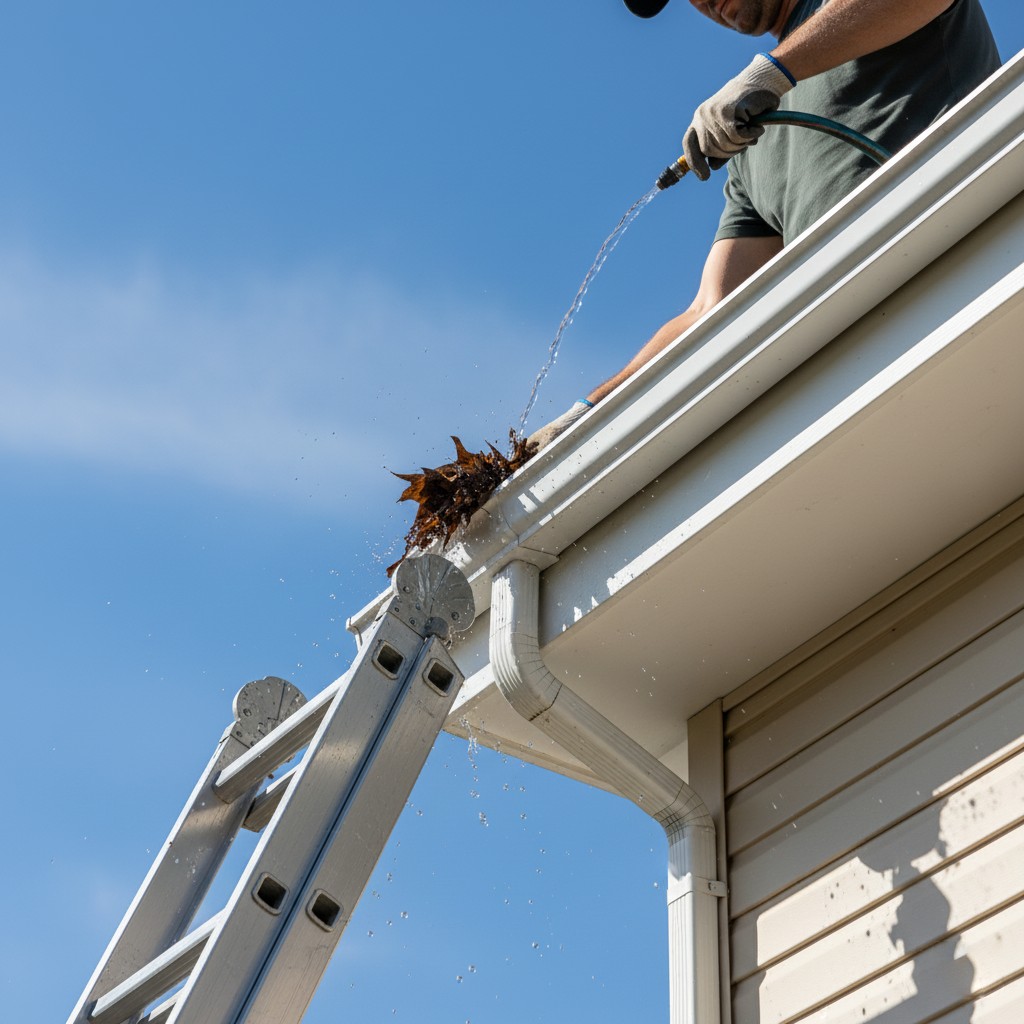
Skip this step, and your wood shakes turn into a soggy mess faster than you can say "leaky attic." In Seattle's endless drizzle, the right underlayment acts as your roof's invisible shield. Think of it as the tough guy standing between moisture and your home's guts.
Pick Your Underlayment Armor
- Synthetic underlayment rules here: breathable, tear-resistant, and slips right over old roofs without the hassle.
- Avoid cheap felt paper. It soaks up water like a sponge and rots quick in our damp air.
- Go for #30 or better, with ice-and-water shield on eaves and valleys. Covers your weak spots cold.
Prep work? Strip that old roof down to the decking. Check for rot or soft spots, sister up any weak joists. Nail down loose boards and flash every penetration like vents or chimneys. Miss one, and water finds its way in sneaky.
Ventilation matters big time. Install ridge and soffit vents to let that moist air escape. Trap it underneath, and mold parties start. Your shakes last decades when the foundation breathes easy.
Step-by-Step Installation Techniques for Lasting Durality
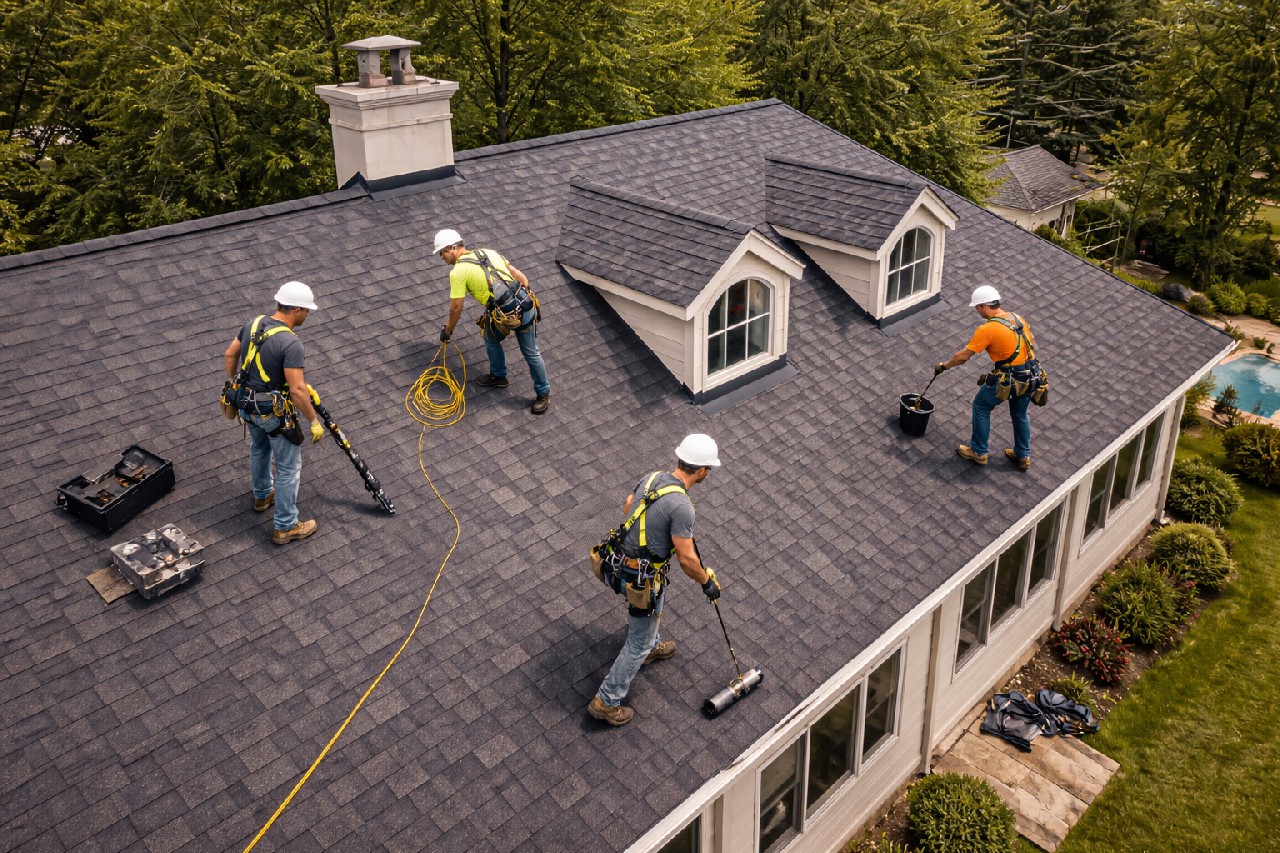
Grab your tape measure and chalk line. Proper installation starts at the eaves with a starter course that seals out water like a fortress. Nail shakes 1-1.5 inches above the butt line, using two galvanized nails per shake for wind resistance up to 110 mph.
Layering Like a Pro: The Field Course Magic
- Stagger each row by at least 1.5 inches. No straight lines here - that invites leaks.
- Space shakes 3/8 to 1/2 inch apart at the butt. Seattle's humidity demands this breathing room to prevent cupping.
- Work up the roof in a diamond pattern for max overlap: 10 inches exposure on 18-inch shakes.
Hit the ridges last. Use ridge caps cut from premium shakes, bent over a block for a tight seal. Pro tip: Double-nail valleys with metal flashing underneath to handle Seattle's sneaky runoff.
Inspect as you go. Fix any tight butts or overdriven nails immediately. This methodical grind pays off in decades of drip-free living.
Seattle-Specific Code Compliance and Permit Essentials
Skip the headaches. Seattle's building codes hit wood shake roofs hard on fire safety and water resistance. Get it wrong, and inspectors shut you down fast.
Permits You Can't Ignore
- Master Roof Permit from SDCI – covers the whole job, required for any re-roof.
- Separate electrical permit if vents or skylights tie in.
- Apply online via SDCI portal; expect 2-4 weeks for approval.
Pro tip: Submit detailed plans showing shake type, underlayment, and nailing schedule upfront. This speeds things up.
Fire Rating Must-Haves
Class A fire-rated shakes are non-negotiable here. Seattle mandates them for wood roofs in most zones due to wildfire risks.
- Verify certification stamps on every bundle.
- Install with proper gaps for airflow – code says 3/8-inch minimum.
- Pass the UL 790 test? Document it for inspection day.
Local amendments add moss inhibitors too. Nail these, and your roof sails through final sign-off without drama.
Weatherproofing Secrets: Fire Retardant and Moss Prevention
Seattle's soggy skies breed moss like nobody's business. On wood shake roofs, that green menace traps moisture and speeds up rot. Hit it head-on with proven preventives right from install day.
Fire Retardant: Your First Line of Defense
Wood shakes ignite fast if untreated. Class B or C fire-rated shakes soak up retardants during manufacturing, slashing flame spread by up to 70%. Skip this, and you're gambling with insurance hikes or worse.
- Opt for pressure-treated Western Red Cedar shakes certified by UL or ICC.
- Reapply surface retardants every 5-7 years for ongoing protection.
- Check Seattle fire codes: Class B minimum for most zones.
Moss Control That Actually Sticks
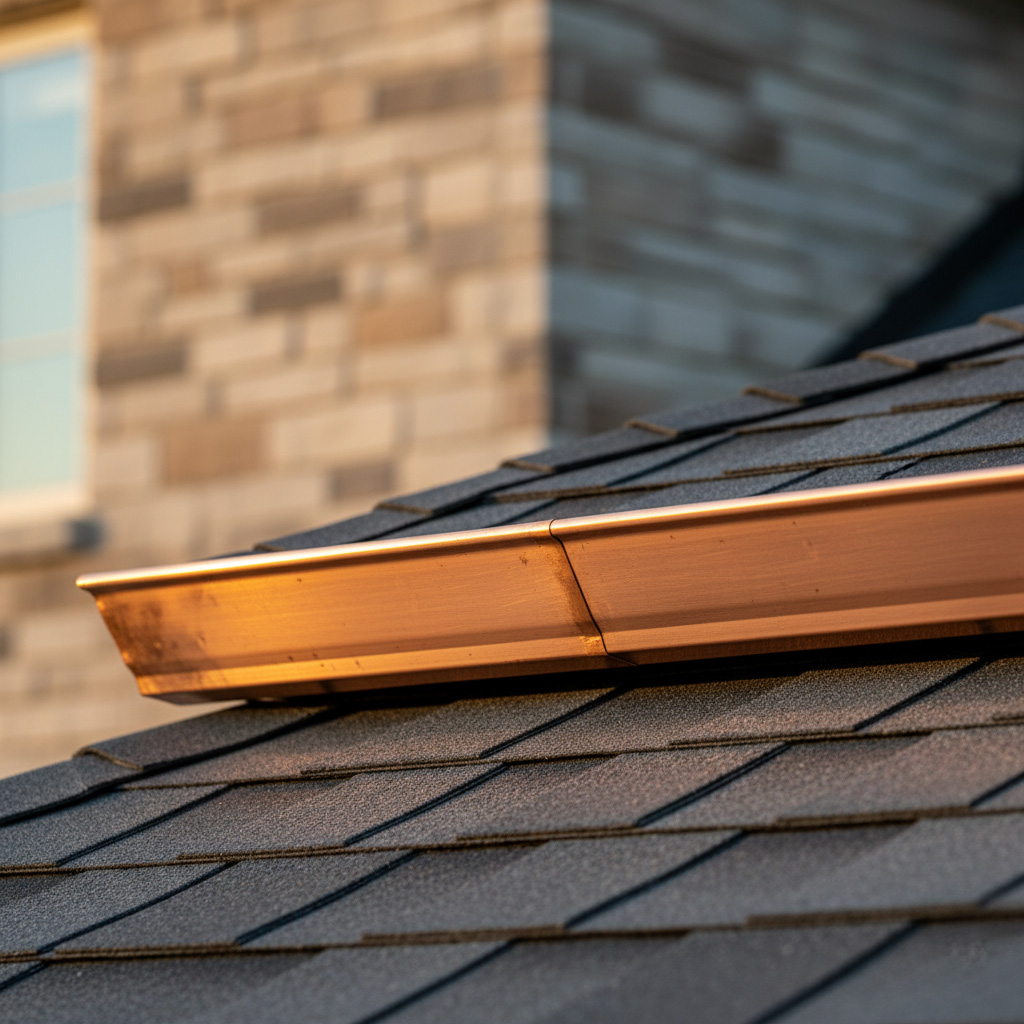
Moss loves our damp shade. Copper or zinc strips nailed along ridges release ions that kill spores on contact. No harsh chemicals needed.
Pair it with proper ventilation and occasional soft washes using potassium salts. This combo keeps your shakes breathing easy, pushing lifespan past 40 years.
- Install strips every 3-5 rows from the ridge.
- Avoid bleach blasts; they strip natural oils.
- Trim overhanging trees for max sun exposure.
Case Study: Reviving a Historic Fremont Home with Wood Shakes
Picture this: a 1920s Craftsman in Fremont, its original shakes rotted from decades of Seattle drizzle. The homeowners called us in desperation. Roof leaks had turned the attic into a swamp.
We stripped it down to the rafters. Installed premium Western Red Cedar shakes over ice-and-water shield underlayment. Followed every Seattle code to the letter, including fire-retardant treatment.
Key Wins from the Project
- Durability boost: Shakes went on with proper spacing, now shrugging off 50+ inches of annual rain.
- Moss control: Copper strips nailed in during install keep growth at bay for years.
- Curb appeal explosion: Neighbors stopped by daily, asking for our number. Home value jumped 15% per appraisal.
Fast-forward two years: zero callbacks. The roof looks brand new, blending seamlessly with Fremont's quirky vibe. This job proves wood shakes aren't just roofs. They're legacies that outlast trends.
Final Thoughts: Secure Your Timeless Seattle Legacy
Picture your Seattle home standing tall against endless drizzles, its wood shake roof whispering stories of endurance for generations. You've got the blueprint now. Time to make it real.
Skip the guesswork. Hire pros who nail every detail from cedar selection to code tweaks. Your legacy deserves nothing less.
- Grab a free inspection today – spot issues before they bite.
- Dive deeper into our Wood Shake Roof Installation options tailored for Seattle grit.
- Lock in that timeless look. Call now and watch your home transform.
Don't let another rainy season slip by unprotected. Act fast. Your roof's ready to rule the Northwest.
People Also Ask
How long do wood shake roofs last in Seattle's climate?
Premium Western Red Cedar shakes, when properly installed and maintained, can last 30-50 years in Seattle's wet environment. Regular treatments for moss and fire retardancy extend their lifespan significantly. Our installations include durable underlayment to combat moisture and ensure longevity.
Are wood shake roofs permitted under Seattle building codes?
Yes, wood shake roofs are allowed in Seattle but must comply with strict fire ratings, typically Class B or higher, and proper installation per IBC standards. Permits are required, and our team handles all code compliance and inspections. Always verify with the Seattle Department of Construction and Inspections for your property.
What is the best underlayment for wood shake roofs in Seattle?
A high-quality synthetic underlayment or #30 felt paper provides essential moisture protection against Seattle's frequent rain. Proper roof deck preparation, including spacing and ventilation, prevents rot and ensures a solid foundation. We recommend products like Grace Ice & Water Shield in vulnerable areas for added durability.
How do you prevent moss growth on wood shake roofs in Seattle?
Apply zinc or copper strips along the ridge to naturally inhibit moss in Seattle's damp climate. Regular cleaning and fire-retardant treatments also reduce organic buildup. Professional maintenance every 2-3 years keeps your timeless roof looking pristine.
Is Western Red Cedar the best choice for Seattle wood shake roofs?
Western Red Cedar is ideal due to its natural rot resistance, lightweight durability, and ability to age beautifully in Pacific Northwest weather. It outperforms other woods in handling heavy rain and humidity. Sourced sustainably, it meets Seattle's eco-friendly standards while providing timeless aesthetic appeal.

Seattle Roofing brings extensive experience in roofing installations, repairs, and maintenance to homeowners and businesses in Seattle, WA. Their team specializes in solutions designed for the region's rainy climate and varied architecture. As a local company, they focus on serving the Seattle community with dependable craftsmanship.
Need Roofing?
Rapid roof repairs and replacements deliver leak-free, weather-tight protection in Seattle, WA and nearby areas (98101, 98109, 98118, 98122).
Get Roof Quote